






Sala Introductoria al Sitio de Camino Iglesia Vieja
Located in Tonalá, Chiapas, this site is dedicated to showcasing the archaeological and cultural heritage of this ancient pre-Hispanic city. It features information on the architecture, sculpture, pottery, and social organization of the society that inhabited the region.
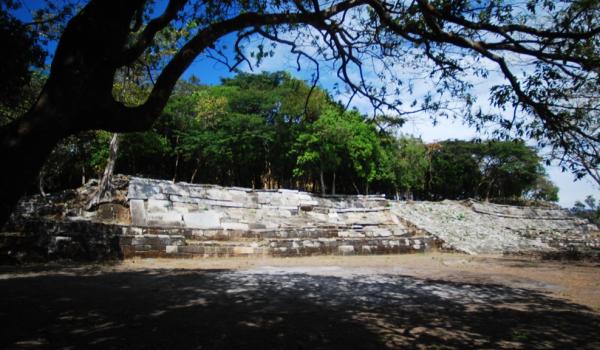
The introductory gallery helps visitors understand that Iglesia Vieja was not simply a collection of isolated structures, but rather a settlement organized according to the political, religious, social, and economic needs of its inhabitants. Through the information presented to the public, visitors can learn about aspects related to the layout of the buildings, the characteristics of the architecture, the materials used in their construction, and the importance of certain spaces within the organization of the ancient city.
One of the most significant features of Iglesia Vieja is its monumental architecture. The structures at the site showcase the use of large stone blocks, a characteristic that has caught the attention of researchers and visitors alike. The handling of these materials demonstrates the technical expertise of the ancient communities that inhabited the area, as well as their ability to organize the collective labor required to transport, place, and use large stones in the construction of buildings and ceremonial spaces.
The Introductory Gallery helps explain these architectural features. The information provided helps identify the different complexes and structures that make up the settlement, giving the tour of the archaeological site a broader context. Visitors can recognize that the archaeological structures they see in the landscape are part of an urban and ceremonial layout that developed over an extended period.
Pottery is another important source of archaeological information. The pottery fragments and objects found during excavations provide insight into various aspects of daily life for the inhabitants of Iglesia Vieja. Analysis of these artifacts provides information on domestic activities, diet, food storage, ritual practices, and commercial contacts with other regions. Furthermore, the characteristics of the pottery help specialists establish chronological periods and cultural relationships.
- Dirección del Centro INAHLeobardo Daniel Pacheco Ariasleobardo_pacheco@inah.gob.mx+52 (961) 612 2824